Unit 9 Porters Wood
St Albans, AL3 6PQ
United Kingdom
Blog
Why Do Natural Stone Tiles Vary? - A Guide to Colour, Veining & Character
Unlike manufactured materials, natural stone hasn't been designed to achieve a perfectly uniform appearance. Every piece has been formed naturally over an incredibly long period of time, resulting in variations in colour, veining, markings and texture.
For many homeowners, this individuality is exactly what makes materials such as marble, limestone and travertine so appealing. However, if you're choosing natural stone for the first time, understanding what variation to expect can make selecting your tiles - and achieving the perfect finished result - much easier.
No Two Pieces of Natural Stone Are Identical
Natural stone is quarried directly from the earth and cut into tiles, meaning the appearance of each piece is influenced by the conditions in which the stone was originally formed.
Even tiles cut from the same block can display subtle differences.
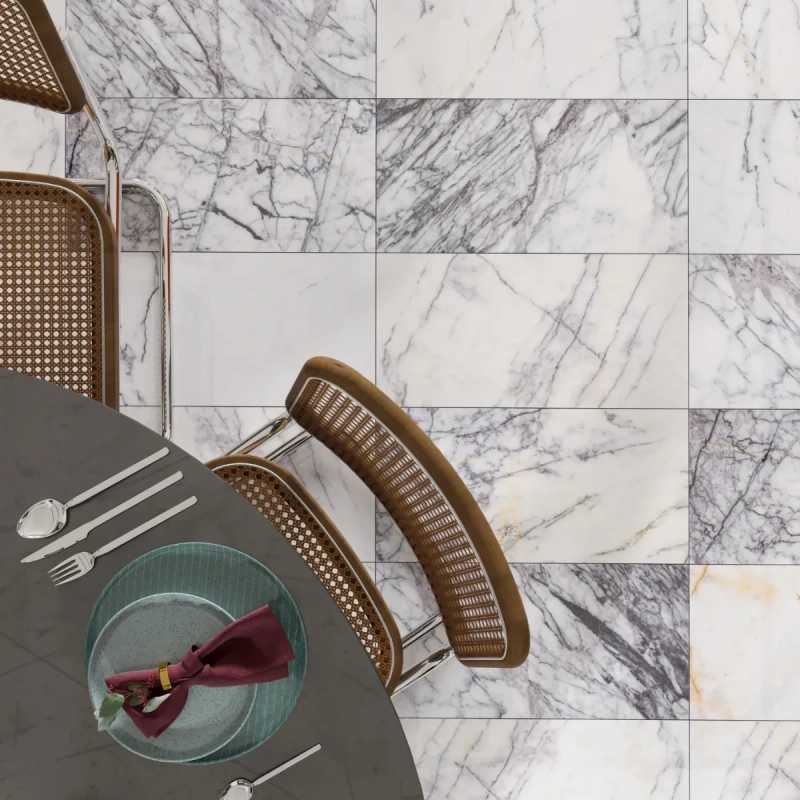
Some may be lighter or darker, while others might contain more prominent veins, fossils or mineral markings. Rather than being imperfections, these differences are part of the natural character of the material. A great example of this is the Lilac Marble. Its soft white base palette is complemented by striking variations in the volume and movement of the veining throughout each piece. This means that every tile has its own unique character, while still coming together to create a beautifully cohesive finished floor.
Once installed across a larger area, this type of variation creates depth and movement that is extremely difficult to recreate with a manufactured surface.
Understanding Colour and Tonal Variation
Colour variation is particularly common within limestone and travertine.
A stone described as beige, for example, may contain tiles ranging from pale cream through to warmer honey or slightly grey tones. When the tiles are laid together, these different shades combine to create a much more natural overall appearance.
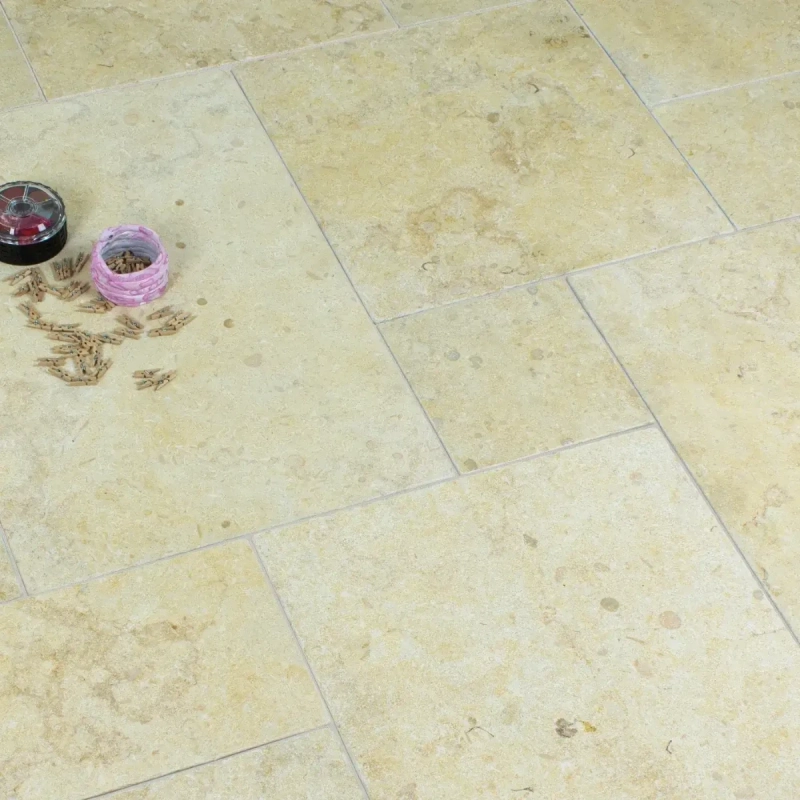
The Jerusalem Antique Gold Limestone is a good example of how subtle variation can enhance a stone. Its warm grey colouring is mixed with softer beige shades, alongside occasional shells and natural features.
At the other end of the scale, some natural stones are considerably more consistent. Our Antalya Cream Limestone, for example, has a more neutral and consistent appearance, making it a great option for those who love natural stone but prefer less tonal variation.
It's also important to remember that a small sample can only provide an indication of the stone's general colour and character. When choosing natural stone for a larger project, viewing several pieces or a larger display can give you a much better idea of the variation you can expect across the finished floor or wall.
Fossils and Natural Markings
One of our favourite characteristics of limestone is the natural detail that can appear within the stone.
Depending on the limestone, you may discover shells, fossils, pits and other markings within individual tiles. These have developed naturally as the stone formed and can give a finished floor a real sense of history and individuality.
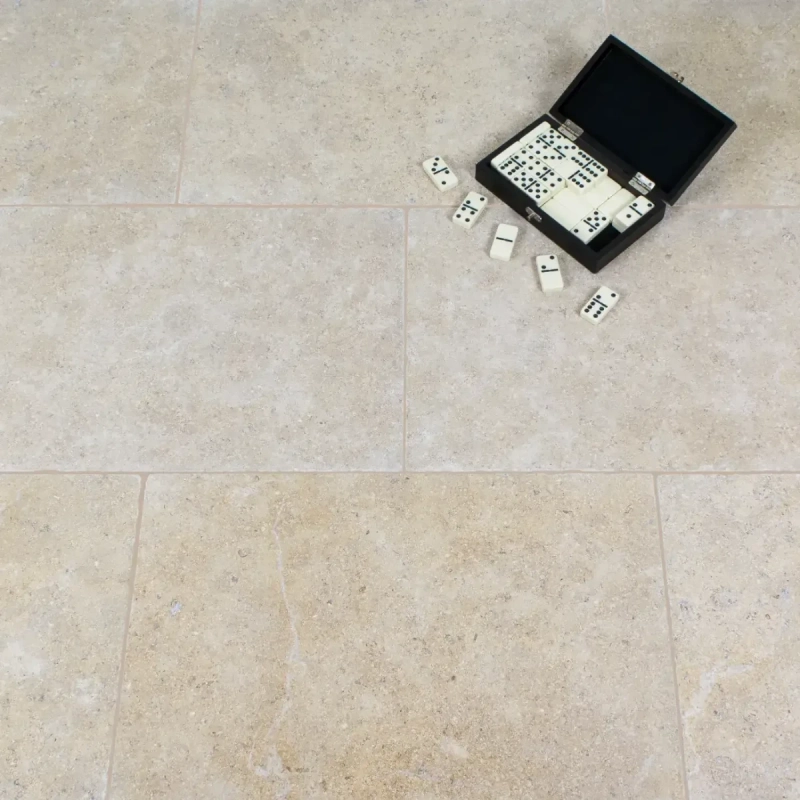
The Desert Pearl Tumbled Limestone demonstrates this beautifully. Although the stone has relatively minimal tonal variation and a neutral beige base, fossils appear throughout its surface, adding interest without making the overall appearance feel too busy.
These markings aren't flaws to be avoided - they're part of what separates genuine natural stone from a manufactured alternative.
Why Tiles Should Be Blended Before Installation
One of the most important steps when installing natural stone is blending the tiles.
Rather than opening one box at a time and installing it completely before moving onto the next, tiles should ideally be taken from several boxes and laid out across the area before fixing begins.
This allows the installer to distribute lighter, darker and more heavily marked pieces throughout the space.
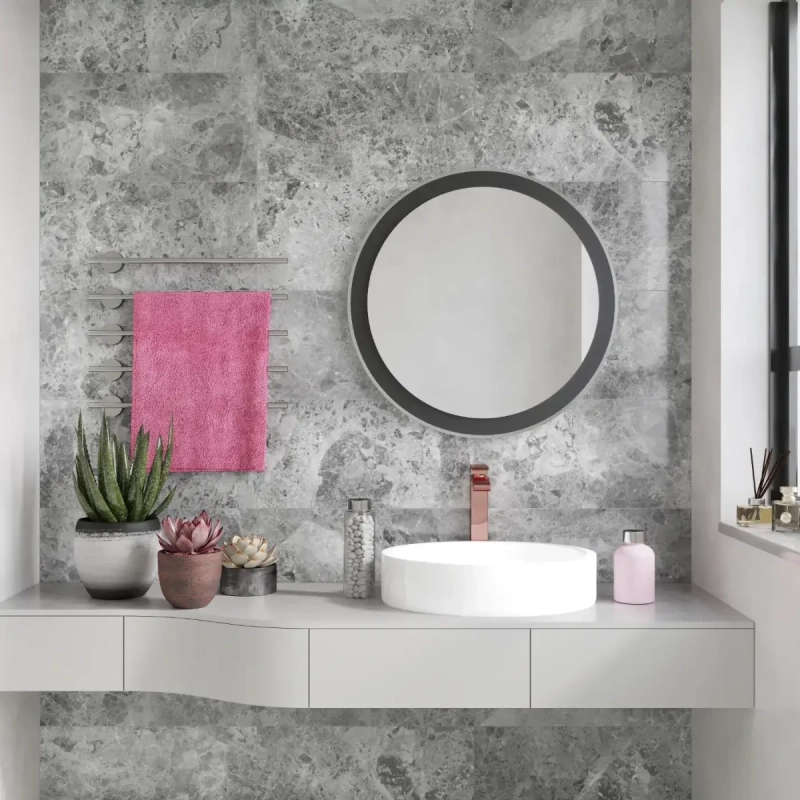
It's particularly important with stones that contain noticeable movement in their colouring. For example, our Silver Moon Marble features a medium grey base alongside patches and movement of darker and lighter tones. Carefully blending the tiles allows these natural changes to be distributed throughout the installation.
The result is a balanced floor or wall where the natural variation feels intentional rather than concentrated in one particular area.
Can Different Batches Vary?
Yes - and this is another important consideration when ordering natural stone.
As stone is a naturally occurring material, separate batches can differ slightly in colour and character depending on the area of the quarry from which they were extracted.
For this reason, it's always worth calculating the quantity required for your project carefully and allowing an appropriate amount for cuts and wastage when placing your order. Ordering everything together helps provide the best opportunity to achieve a consistent blend throughout the project.
Discover Natural Stone at Ionic Stone
At Ionic Stone, our natural stone collection includes an extensive range of limestone, marble, travertine and other distinctive materials in a variety of colours, formats and finishes.
Because every natural stone is different, we always recommend seeing the material for yourself where possible.
Visit our St Albans showroom to explore our displays or order samples to start finding the perfect natural stone for your project.